

2027 WERC TASKS
Contact
Find non task-specific FAQs here.
2027 Tasks & Task FAQs
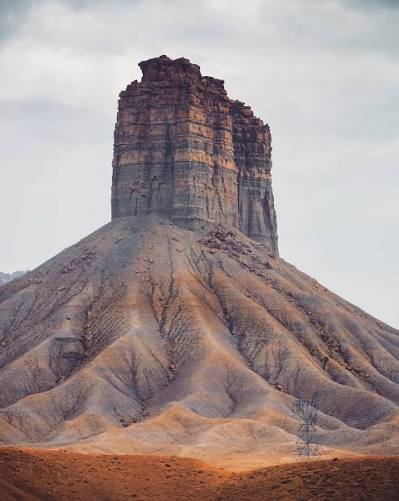
Task 1. Water Security on Tribal Lands: Reducing Disinfection Byproducts (THMs)
Sponsor: Souder, Miller & Associates
Explore innovative ways to reduce harmful disinfection byproducts (DBPs) in the Ute Mountain Ute Tribe's (UMUT's) water system in Towaoc, Colorado. Traditional solutions are mechanical: employing mixers, blowers, and spray aerators. What innovative solution will you propose?
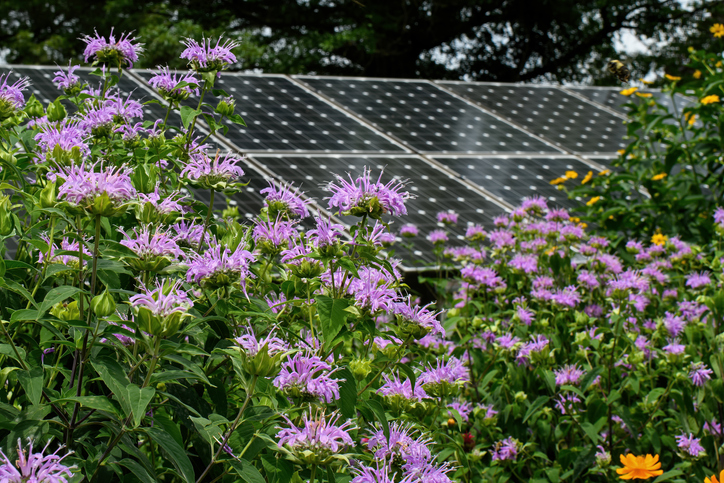
Task 2. Solar Facility Vegetation Control Using Passive Systems
Diamond Sponsor: El Paso Electric Co.
Unwanted vegetation can shade panels, reduce power output, obstruct maintenance activities, increase fire risk, and damage equipment. Imagine the possibilities: Can you implement electrical? mechanical? or other innovative means of controlling vegetation growth and propagation?
Problem Statement Updates. Added: Cultivation information (seed cultivars, greenhouse conditions, and synthetic soil recipe; Increased emphasis on aesthetics and retrofit requirements.
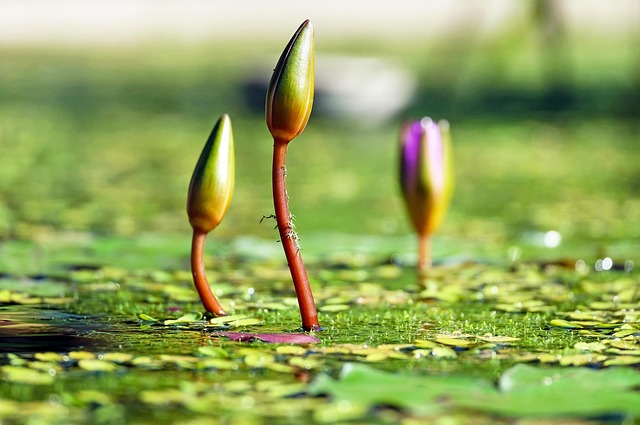
Task 3. Safe Drinking Water: PFAS Adsorption Using Biomaterials
Platinum Task Sponsor and Developer: Freeport-McMoRan
Teams will develop an innovative, sustainable adsorption system using biological materials to remove PFAS from drinking water, providing a practical and affordable treatment option for underfunded farms and communities.
Problem Statement updates. Added: February sample info; link to BGNDRF data set, clarified purpose of concentrated well-water sample. Corrections: Bench-scale samples will only be taken from Well 2; the two sources of PFAS at BGNDRF are the cookware factory and the municipal landfill, not Holloman AFB (see p. 9).
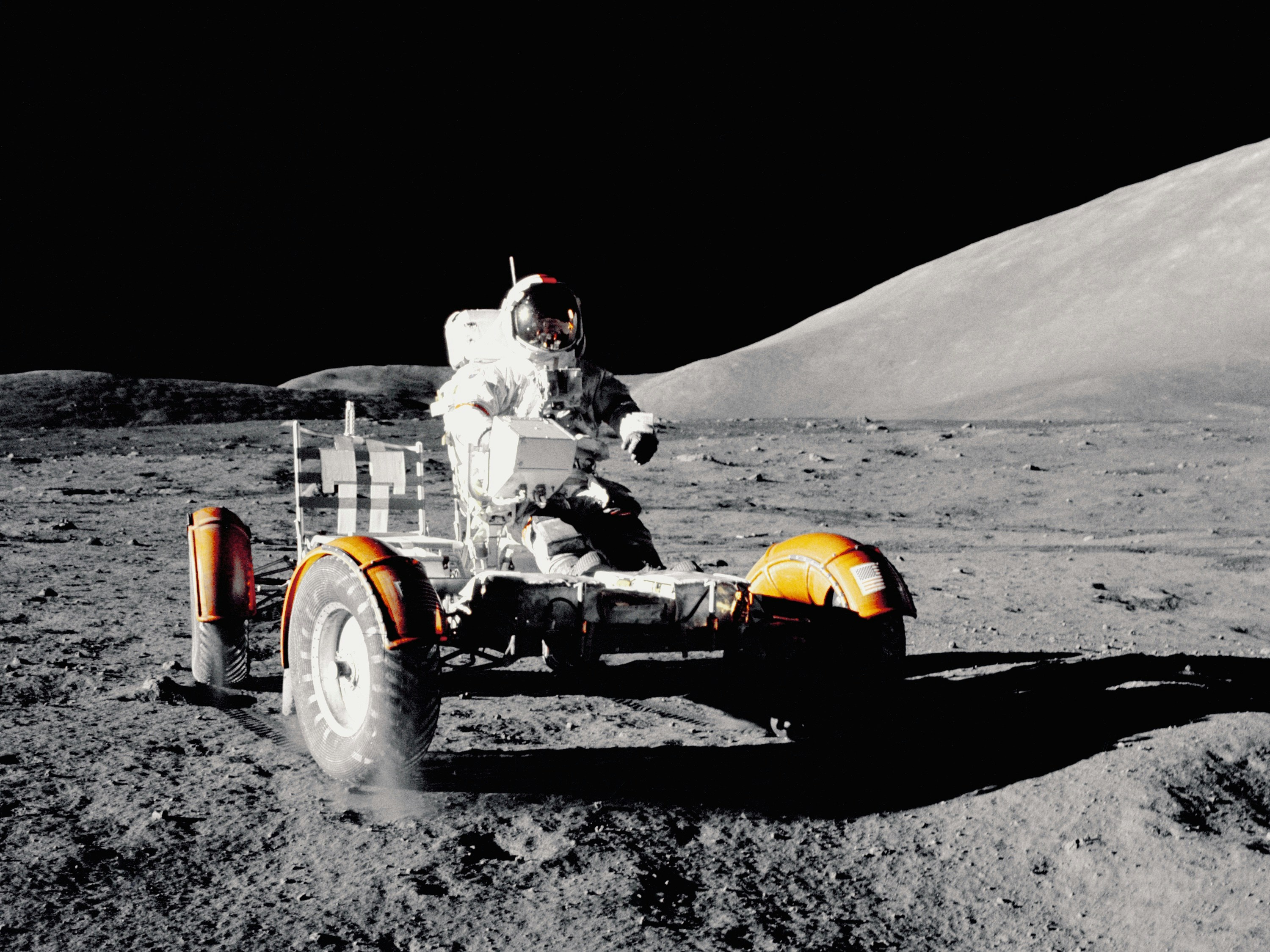
Task 4. NASA Challenge: Capacitive Charging of a Lunar Terrain Vehicle
Diamond Sponsor: New Mexico Space Grant Consortium
NASA's Artemis Program's Moon Base is seeking wireless charging capabilities for their next generation of lunar terrain vehicles. Charging systems must endure temperatures from 54°C (130°F) in sunlight to -203°C (-334°F).
Problem Statement updates since Preview publication: Minimum power delivered to LTV increased from 1 kW to 3 kW DC. Official Problem Statement on p. 1 is bulleted to help teams find relevant information. Full-scale vs bench-scale testing was differentiated explicitly.
Task 5. Recovering Strontium from Produced Water
Task Developers: Chevron
Sponsors: Chevron, NGL Water Solutions
Discover innovative ways to recover and valorize strontium (Sr) from produced water derived from Permian Basin oil and gas recovery operations.
Problem Statement updates since Preview publication: Costs standardized across the document; definitions for "reuse" added; and synthetic solution recipe provided. Design Requirements: increased electricity rate, and specified a cost for treatment rather than a range of treatment costs.Teams may request constituents from Table A, as needed.
Task 6. Open Task
Sponsor: Jacobs Engineering Group
Task Developers: Your team.
Propose your own environmental challenge. The tasks require innovation and a bench-scale demo. Teams are encouraged to identify needs of economically challenged communities in their region.
Make sure your Open Task is competitive. Not sure? Email werc@nmsu.edu and our judges will review your plans.
Q: I just heard about Auditors. What is that about? (Updated 7/03/26)
A: As is done in industry, WERC requires 3 independent audits of your final report. These are topic-specific. Start looking for one auditor in each area: Economics, Legal, and Health & safety). See the Team Manual.
Q: What is the deadline for submitting the technical report draft to our auditors? (Updated 7/03/26)
A: We suggest that you submit your draft to your auditors 3 weeks prior to the report due date. The date is a suggestion, not a requirement. See the Team Manual.
Q: What should we put in the social media post? (Posted 4/9/26)
A: Sponsors have requested that you regularly post about your project. Send out something friendly and exciting that thanks the sponsors and tells people what you are doing, like this: We are excited to be solving XXX at the WERC Environmental Design Contest in Las Cruces, NM. We send a big "Thank you" to our sponsors: @XXX, @XXX. (But put it in your own words--you don't want everyone to use the same phrasing that you did.) Include a photo or video of your team having fun working on the project.